Difficult Conversations at Work: 10 Strategies Executive Leaders Use to Protect Trust and Accountability
Difficult conversations at work are among the most important tests of executive communication. One of the biggest mistakes leaders can make during these conversations is focusing only on intention rather than perception.
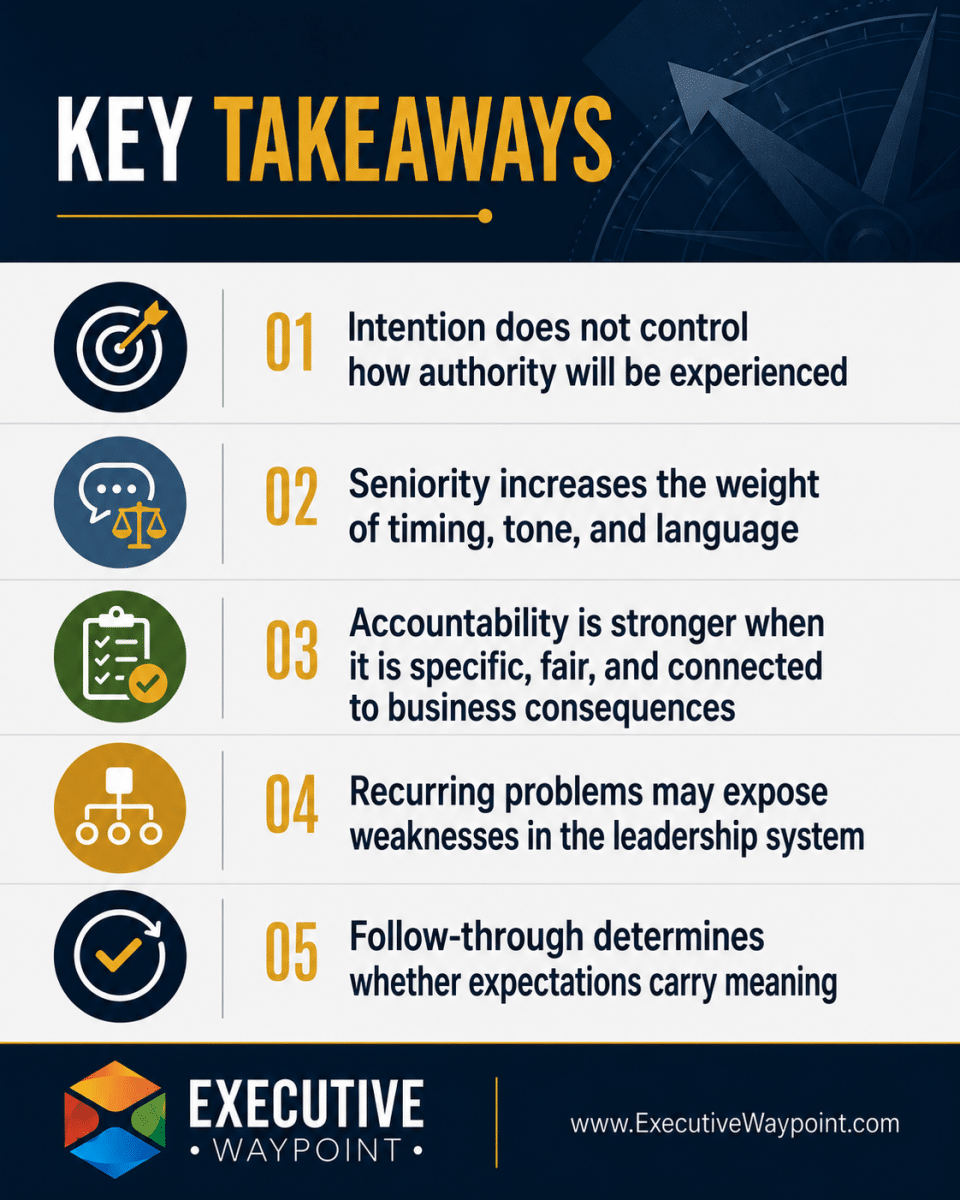
What you mean to communicate and how the message is received can be night and day. In my work leading corporate communication workshops and helping executives prepare for high-stakes conversations, I have seen how quickly that gap can erode trust, weaken performance, and damage a leader’s reputation.
The facts may be accurate and the expectation reasonable. Yet poor timing, an accusatory opening, a dismissive tone, or the wrong communication channel can turn necessary feedback into a larger problem. The employee leaves focused not on what must change, but on what the exchange suggests about their standing, future, or treatment.
The gap between intention and perception is where leadership credibility becomes most vulnerable.
The organizational environment makes this capability especially important. Gallup’s 2026 State of the Global Workplace found that global employee engagement fell to 20% in 2025. Manager engagement declined from 31% in 2022 to 22% in 2025, leaving many team leaders under considerable strain themselves.
The stakes increase because difficult conversations influence how employees evaluate leadership fairness, consistency, and accountability. When those conversations are handled poorly, the impact can extend beyond the immediate issue and influence how employees interpret leadership fairness, consistency, and credibility.
Strong executive communication requires leaders to manage both the substance of the message and the impact created by the conversation.
What Are Difficult Conversations at Work?
Difficult conversations at work are discussions where leaders must address issues involving performance, behavior, conflict, expectations, accountability, or trust. These conversations often involve competing interests because leaders must balance organizational standards, business needs, and respect for the individual involved.
For executives, the challenge is not only delivering the message. It is ensuring that the conversation supports accountability while preserving the credibility required to lead afterward. The strongest leaders approach these moments as decision points rather than uncomfortable interruptions.
How Executive Leaders Should Approach Difficult Workplace Conversations
The ten practices that follow focus on the judgment points that determine whether a difficult conversation strengthens accountability or creates a second problem. They are not scripts. They are decisions senior leaders must make before, during, and after the discussion.
1. Define the Leadership Decision
Determine what the conversation must accomplish before deciding how to communicate it. Are you correcting conduct, protecting a customer relationship, resolving conflict, or setting a boundary? Identify the desired outcome, relevant evidence, and which expectations or decisions are not open to negotiation.
2. Separate Evidence From Interpretation
“The report arrived two days late” is observable. “You do not care about this initiative” is a conclusion about motive. Ask what you know, what effect the conduct had, and what you are assuming. Seniority makes an unsupported interpretation more consequential, not more accurate. This prevents leaders from turning frustration into a conclusion before understanding the situation fully.
This distinction becomes especially important when the conversation carries reputational, performance, or relationship consequences.
3. Account for the Power of Your Position
A senior leader’s words carry implications beyond their literal meaning. Informal feedback may be heard as a warning about job security, advancement, or standing. You cannot remove the authority difference, but you can prevent ambiguity from making it sound more threatening.
Employees often evaluate not only the message itself but what the interaction suggests about leadership standards, fairness, and psychological safety. This is why tone, timing, and context become part of the leadership decision.
Executive presence is demonstrated not only in major decisions but also in how leaders handle moments of disagreement, correction, and accountability.
4. Match the Channel to the Stakes
Email and workplace chat are useful for sharing information and confirming decisions. They are poor substitutes for dialogue when the issue involves performance, conduct, conflict, or reputation. Use a live discussion when practical, then document expectations, decisions, and next steps afterward.
A performance concern, relationship breakdown, behavioral issue, or accountability discussion usually requires conversation before documentation.
5. Open With Purpose, Not a Verdict
An accusatory opening encourages self-protection before the facts have been examined. State why the matter requires attention, explain what is at stake, and invite the other person’s account. This creates a more disciplined basis for accountability. The goal is to create clarity before creating defensiveness.
6. Listen for Decision-Relevant Information
Listening only to demonstrate fairness without considering whether new information could change the decision creates the appearance of process without improving judgment.
Effective listening requires curiosity about information that could change your understanding. It does not require abandoning standards or avoiding accountability. A leader can remain clear about expectations while still considering whether additional context changes the appropriate response.
The purpose of listening is not to delay action. It is to improve the quality of the decision being made.
7. Connect Conduct to Business Consequences
Labels such as “careless,” “negative,” or “unprofessional” provide little direction and invite arguments about character. Describe the conduct, its operational effect, and the required standard. Connect it to customer confidence, execution risk, team capacity, compliance exposure, or another measurable business consequence.
Employees are more likely to understand and change behavior when they see the relationship between their actions and the outcomes the organization is responsible for protecting.
8. Protect Dignity Without Diluting Accountability
Humiliation may produce immediate compliance, but it rarely produces durable ownership. Address the matter privately, avoid personal attacks, and make the required change unmistakably clear. Preserving dignity keeps attention on responsibility and repair.
Accountability becomes stronger when people understand both the standard and the reason behind it.
9. Examine What Leadership Helped Create
A recurring problem may indicate an employee performance issue. It may also expose unclear expectations, delayed intervention, inconsistent oversight, poor training, or competing priorities. Examine whether the system reinforced, tolerated, or obscured the conduct before treating the individual as the only factor.
10. Close With Ownership and Proof
End with clear commitments: what must change, who owns each action, what support will be provided, and when progress will be reviewed. Then follow through. Without visible follow-through, the discussion becomes leadership theater and teaches employees that standards depend on pressure, personality, or memory.
“Every difficult conversation teaches the organization how authority will be used when pressure rises.”
Difficult Conversation Framework for Executives
Before entering a difficult conversation, executives should be able to answer five questions that clarify the purpose, evidence, responsibility, and next steps.
| Leadership Question | Purpose |
|---|---|
| What outcome must this conversation achieve? | Clarify the objective |
| What facts are confirmed? | Separate evidence from assumptions |
| What does the other person need to understand? | Create accountability |
| What context may affect the issue? | Avoid incomplete conclusions |
| What happens next? | Establish ownership |

Final Thoughts
A leader’s reputation is not built only through strategy presentations, business results, or visible decisions. It is also shaped when disappointment, conflict, and accountability enter the room. People may not remember every sentence. They will remember whether the process was fair, expectations were clear, and whether your conduct matched the values the organization claims to uphold.
Difficult conversations are not interruptions to leadership. They are where your leadership becomes visible.
When the next difficult conversation arises, what will your team learn from the way you handle it?
FAQs
How quickly should a workplace problem be addressed?
Address it while the facts remain clear and before silence begins to resemble acceptance. A brief pause may be appropriate when emotions are elevated, or more information is required. Delay becomes damaging when avoidance, rather than judgment, is driving it.
How can a leader be direct without humiliating someone?
Describe observable conduct, explain its business effect, and state the required change without attacking character. Directness becomes humiliating when authority is performed for an audience or embarrassment is used as a management tool.
When should HR be involved?
Involve HR when the matter includes harassment, discrimination, retaliation, threats, safety concerns, formal discipline, repeated misconduct, policy violations, or potential legal exposure. Follow internal procedures and seek qualified guidance when the situation exceeds your role or expertise.
What makes a difficult conversation successful?
A successful difficult conversation creates clarity about the issue, allows relevant perspectives to be considered, establishes expectations, and creates accountability for what happens next.
Why do executives struggle with difficult conversations?
Executives often struggle because these conversations involve authority, emotion, incomplete information, and potential consequences. Strong leaders prepare the objective, separate facts from assumptions, and focus on the outcome rather than avoiding discomfort.
How can executives prepare for difficult conversations?
Executives can prepare by defining the purpose of the conversation, reviewing relevant facts, considering different perspectives, choosing the appropriate communication channel, and identifying the outcome required after the discussion.
What are the most important executive communication skills for difficult conversations?
The most important executive communication skills include active listening, separating facts from assumptions, communicating expectations clearly, managing emotions, and connecting individual actions to business outcomes.
Executive Waypoint helps executives and leadership teams prepare for high-stakes workplace conversations through practical corporate communication workshops focused on accountability, trust, and effective leadership communication.
Contact Executive Waypoint to learn how we help organizations strengthen team performance, employee engagement, workplace culture, and leadership communication through practical corporate communication workshops.