Sustainable Executive Performance: Why Leaders Need a Strong Physical Foundation
Executive performance is often discussed through strategy, decision-making, communication, and leadership presence. Yet those capabilities depend on a foundation many leaders overlook: physical well-being. During periods of transition, increased responsibility, or sustained pressure, the condition of that foundation can influence how effectively leaders use the experience they have built.
Executives often prepare for growth or change by focusing on professional tools. They refine the resume, update the LinkedIn profile, prepare leadership stories, assess opportunities, and reconnect with people in their network.
Those tools matter. They help you organize your experience and communicate your value. But they do not operate independently from the person using them.
How you sleep, move, recover, and care for yourself can influence how clearly you think, how patiently you listen, and how consistently you perform.
This is not about pursuing perfect health or turning wellness into another performance goal. It is about recognizing that physical well-being is part of the foundation from which you lead, work, and live.
The Physical and Professional Are Connected
Professional performance is often discussed as though it exists only in the mind. Leaders are encouraged to strengthen their judgment, communication, presence, and decision-making, yet each of those abilities depends in part on physical and mental resources.
In Spark: The Revolutionary New Science of Exercise and the Brain, psychiatrist John J. Ratey, M.D., and Eric Hagerman explore how physical activity affects the brain as well as the body. That connection matters in professional life because concentration, memory, clear thinking, and emotional steadiness do not operate separately from physical well-being.
Fatigue can make concentration more difficult. Prolonged stress can reduce patience and perspective. For an executive, this can appear in practical moments: entering a critical negotiation with limited energy, reacting too quickly during conflict, or losing the patience required to evaluate complex decisions. When restorative routines disappear, familiar responsibilities may require more effort.
Sleep, movement, and healthy routines do not automatically produce strong leadership or career success. They can, however, support the abilities you rely on every day.
Why Executives Often Neglect Their Own Foundation
Senior leaders are trained to prioritize organizations, teams, customers, and results. That mindset creates value, but it can also make personal maintenance feel secondary.
Many executives delay exercise, recovery, sleep, or personal routines because the demands in front of them appear more urgent. Over time, the habits that support leadership capacity can become the first things removed from the schedule.
The challenge is that leadership requires sustained availability. A depleted leader may still deliver results, but maintaining that performance often requires greater effort and creates less room for perspective.
Why This Became Personal
I came to understand this more deeply after a period of profound family loss.
The lesson became clear during a period when my professional responsibilities continued, but my personal capacity had changed.
I continued serving my clients and remained committed to the quality of my work. From the outside, I was functioning. Internally, grief had disrupted routines that helped me feel healthy, whole, grounded, and connected to myself.
After these losses, I left the country for a month to complete a yoga teacher certification. I was not pursuing a new profession. I needed quiet, movement, breathwork, and space to reconnect my mind and body to process what had happened.
The experience expanded my understanding of how physical and emotional states influence concentration, endurance, perspective, and daily performance.
The lesson was not that one practice solves everything. It was that the body should not be excluded from conversations about readiness, performance, and well-being.
What I See in My Work with Executives
For over a decade, I have helped senior leaders recognize the value and impact they sometimes lose sight of. Some are considering a career change. Others are preparing for a larger role, recovering from a difficult experience, or deciding what they want next. Others are navigating demanding transitions such as a promotion into broader responsibility, a board opportunity, entrepreneurship, or a return to the market after leaving a leadership role.
We also examine whether their current circumstances are affecting how confidently they communicate that value. We also look at what may be making those accomplishments harder to see clearly.
A difficult professional chapter can affect how you describe an entire career. This can happen after a failed promotion, unexpected departure, leadership conflict, burnout, or any period where confidence has been challenged.
Exhaustion can make meaningful work feel distant. Trying to perform and deliver in a constant state of disruption or a toxic workplace environment can drain you, and when your physical and mental resources are depleted, even accurate career language may not feel convincing.
Before focusing only on how to present your story, it can help to ask:
- Am I giving enough weight to what I have accomplished?
- Which strengths have remained consistent throughout my career?
- Is a recent difficulty affecting how I interpret years of work?
- Which routines help me feel clearer, stronger, and more connected to myself?
Professional tools become more useful when they are supported by an honest understanding of your impact and enough personal capacity to draw on it.
Many executives find that regular movement helps them create structure, manage stress, and maintain focus during demanding periods.
How Physical Activity Supports Executive Performance
Physical activity cannot resolve grief, repair an unhealthy workplace, or control the outcome of a career transition. But it can support some of the physical and cognitive resources people use across work and life.
The World Health Organization associates regular physical activity with benefits involving cardiovascular and brain health, sleep, and mental well-being. The Centers for Disease Control and Prevention notes that activity can help people feel, function, and sleep better.
A 2025 review in the British Journal of Sports Medicine also found benefits for general cognition, memory, and executive function across a substantial body of research.
For some people, a 15-30-minute walk or another appropriate form of movement is a practical way to interrupt repetitive thinking, restore routine, and create a sense of forward motion. The goal is not to follow a perfect program. It is to notice which practices help you become more available to your work and your life.
For executives, the value is not the activity itself. It is the ability to create a repeatable practice that supports energy, focus, and recovery during demanding periods.

Executive Energy Is a Leadership Resource
Leaders often measure resources through financial capital, talent, technology, and time. Personal energy deserves similar attention.
Energy influences how leaders show up in the moments where leadership matters most: difficult conversations, strategic decisions, uncertainty, and periods of change.
It also influences patience, emotional control, and the ability to remain thoughtful when circumstances become demanding.
Protecting energy does not mean avoiding difficult work. It means creating the physical capacity to handle difficult work consistently.
Evidence Can Come from Outside Your Career
Years after my loss, I found myself hiking through rugged mountain terrain in Utah. The experience mattered because it showed me that my strength, endurance, and trust in myself had returned.
Executives are accustomed to measuring progress through promotions, transactions, growth, and organizational impact. Those measures matter, but they are not the only evidence that you are becoming stronger.
Progress may also look like returning to an activity you enjoy, keeping a commitment to yourself, sleeping more consistently, or having more energy for the people and experiences outside work.
A full life cannot be measured only through professional achievement.
Sustainable Performance Requires a Broader View
There will be periods when work demands more of you. There may also be seasons of caregiving, uncertainty, loss, or personal change. The answer is not perfect balance.
It is awareness of what helps you remain connected to your health, relationships, values, and sense of self while meeting the responsibilities in front of you.
Caring for your physical well-being is not a distraction from meaningful work. It is part of the foundation that allows you to continue doing that work while remaining present for everything else.
Begin with a realistic commitment to movement, recovery, and routines that support your ability to perform consistently.
Where Should Executives Begin?
Start with consistency rather than intensity. The same principle applies to leadership development. Sustainable improvement usually comes from practices that can be maintained during demanding periods.
The objective is not to create another achievement metric. It is to build habits that support the person responsible for making important decisions.
A short walk, regular movement between meetings, improved sleep routines, or returning to an activity you enjoy can create a foundation that supports long-term performance.
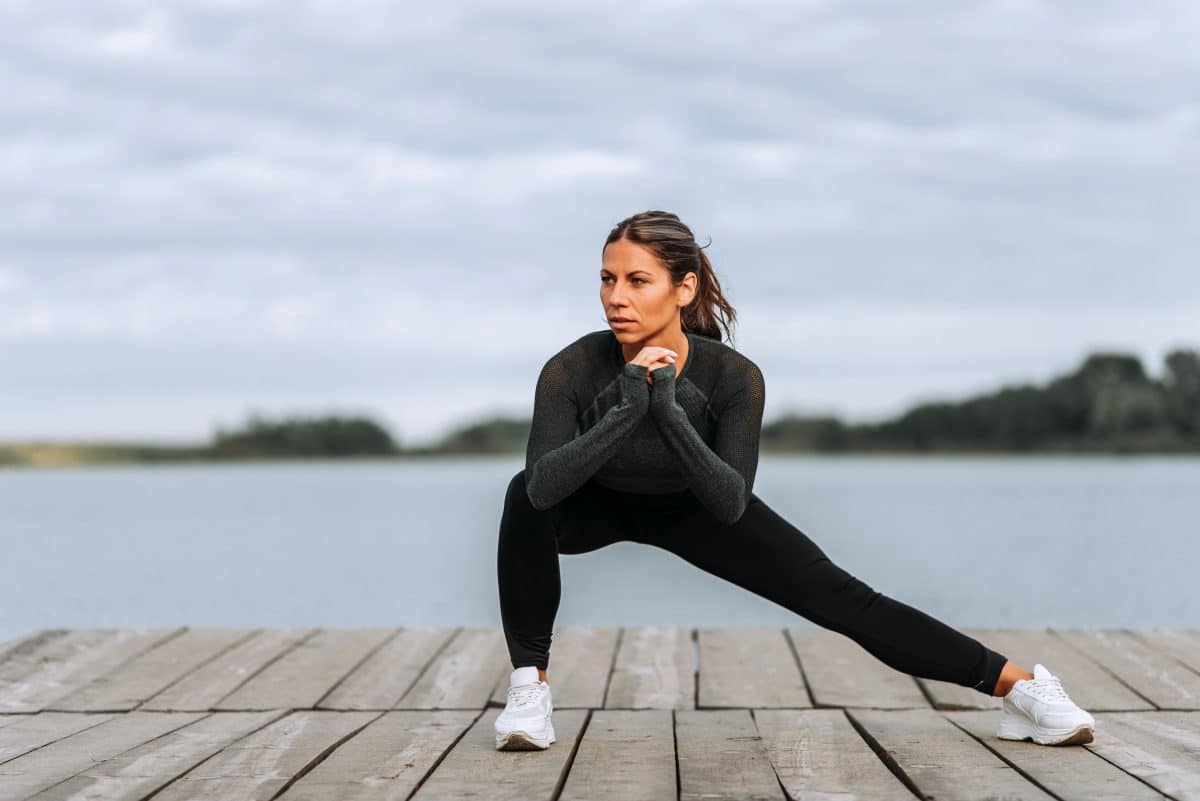
Physical Well-Being Does Not Replace Professional Development
Important because some readers may think this article minimizes skills, strategy, or career preparation.
Physical well-being is not a replacement for experience, expertise, leadership development, or career strategy. Executives still need strong judgment, relevant skills, meaningful relationships, and a clear understanding of their value.
The purpose is different. It supports the capacity to apply those strengths consistently.
Final Thoughts
Executives spend years strengthening their judgment, expertise, relationships, and professional capabilities. Those strengths deserve a physical foundation that helps make them accessible.
Taking care of your body is not only about preventing illness or completing a fitness goal. It is about supporting the clarity, energy, and presence you bring to your work, your relationships, and your life.
Leadership longevity requires more than professional achievement. It requires the capacity to continue contributing without sacrificing the health and relationships that make that contribution meaningful.
You are more than the role you hold or the results you produce. Sustaining leadership over time requires protecting the person behind the role.
The strongest careers are not built by sacrificing the individual behind the achievements. They are built by creating the capacity to continue contributing with clarity, energy, and purpose.
Frequently Asked Questions
Is physical well-being really part of professional readiness?
Yes. Professional readiness involves more than knowledge and preparation. It also requires enough energy, clarity, and steadiness to use what you know effectively. Physical well-being can help support those resources.
Does taking care of myself mean becoming less ambitious?
No. Caring for yourself does not require reducing your goals. It means recognizing the conditions that help you perform consistently without treating your health and personal life as expendable.
Can movement improve professional performance?
Movement does not guarantee stronger leadership or career success. However, research does associate physical activity with benefits involving health, sleep, mental well-being, memory, and executive function. These are resources leaders may rely on across work and life.
How can executives maintain performance during stressful periods?
Executives can maintain performance during stressful periods by protecting recovery routines, maintaining physical activity, creating space for reflection, and recognizing when depleted energy is affecting decision-making or relationships.
Does physical fitness affect executive presence?
Executive presence depends on communication, confidence, judgment, and emotional steadiness. Physical well-being does not create executive presence by itself, but healthy routines can support the energy and clarity leaders use to demonstrate those qualities.
How does physical well-being support executive decision-making?
Executive decisions often require focus, patience, emotional control, and the ability to evaluate complex information. Physical well-being does not guarantee better decisions, but healthy routines can support the cognitive and emotional resources leaders use when making them.
Can executive burnout affect leadership performance?
Executive burnout can affect focus, decision-making, patience, and relationships. Recognizing the impact of prolonged stress does not reduce accountability. It helps leaders identify what needs to change so they can continue performing effectively.